
Vapor Barrier Installation in Lebanon, TN
The vapor barrier is the heart of encapsulation: a thick liner that stops ground moisture from rising into the space. It is laid across the floor, run up the foundation walls and sealed at the seams, so the soil is cut off from the air under the house.
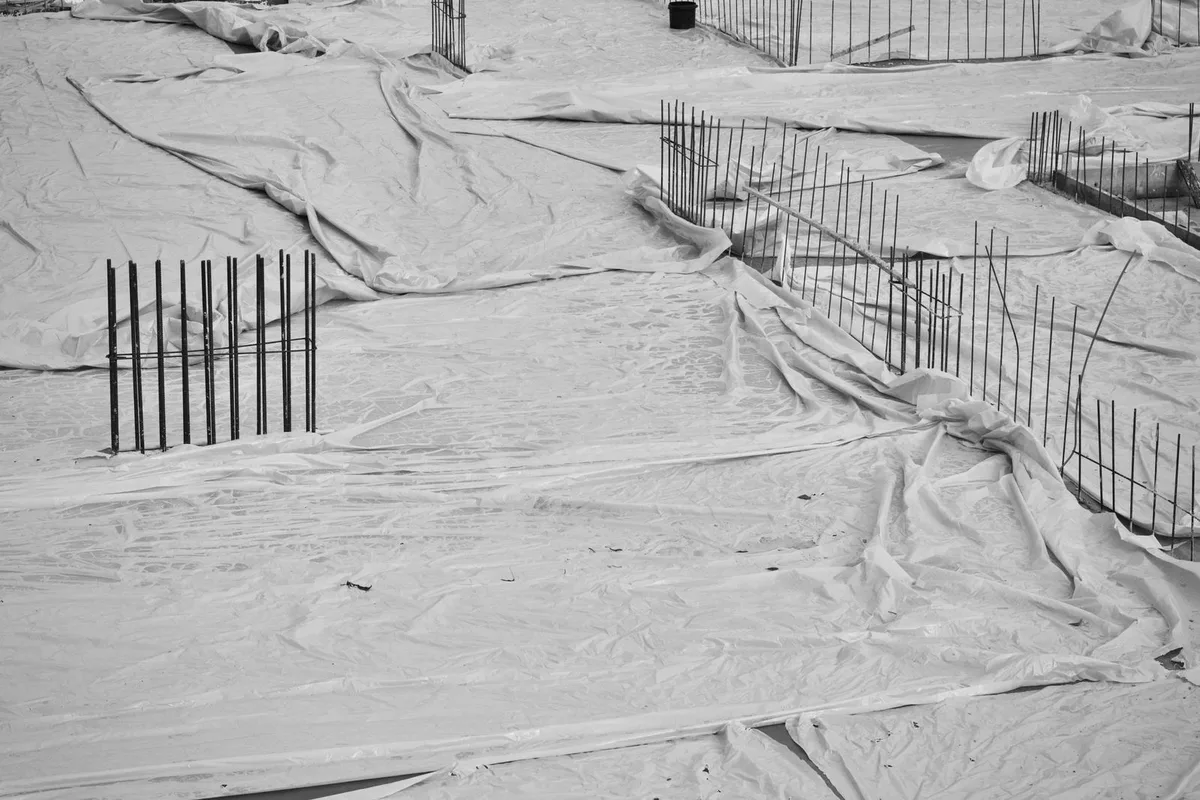
A vapor barrier is the sheet that separates the damp earth from the air under a house, and in a Lebanon crawl space it earns its keep every day. The clay soil under most homes here holds water after every rain, and that water evaporates upward into the crawl space, where it condenses on the cool joists and feeds mold. A thin plastic ground cover, the kind many builders laid, tears underfoot, shifts at the edges and leaves gaps where moisture pours through.
Vapor barrier installation through Cedar City Crawl Pros uses a heavy-duty 20-mil reinforced liner, laid across the whole floor and run up the foundation walls to the sill, with the seams overlapped and sealed and the edges mechanically fastened. The liner is walked after laying to check every seam, and the space is measured before and after so the change is a number, not a feeling. Where the space takes standing water, the waterproofing and drainage service comes first, because a liner over standing water hides the problem.
Cedar City Crawl Pros takes calls across Lebanon, Tennessee, in ZIP codes 37071, 37087, 37088, 37090 and 37136, from downtown and the Public Square to Five Oaks, StoneBridge and Spence Creek. The technicians are local, the moisture is measured with meters, and every job is quoted in writing before work begins.
Signs Your Vapor Barrier Needs Replacing
- ✓ Plastic ground cover torn, shifted or missing in patches
- ✓ Musty smell rising from the floor even after cleaning
- ✓ Damp soil visible through gaps in the liner
- ✓ Insulation between the joists sagging with moisture
- ✓ Humidity readings above 60 percent in the crawl space
Liner Only, or Full Encapsulation?
A new liner alone suits a crawl space that is otherwise sound: dry soil, no standing water, solid joists and vents that can be sealed. Where the space also takes water, grows mold or needs a dehumidifier, the liner is one part of a full encapsulation, and pricing it alone would leave the job half done. The inspection sorts the two cases out with readings, and the written scope says plainly which one your space needs.
How the Work Runs
- Measure first. Moisture readings in the joists, subfloor and soil set the baseline.
- Clear and level. Debris comes out and the floor is graded so water runs to the drain, not the liner.
- Lay the liner. The 20-mil liner goes across the floor and up the walls to the sill.
- Seal every seam. Overlaps are sealed and edges are fastened so no gap is left open.
- Walk and verify. Every seam is checked on foot and the space is measured again.
What to Expect on the Visit
Every visit follows the same order. The technician enters the crawl space with a moisture meter, measures the joists, subfloor and soil, photographs what is found, and shows you the readings. The humidity of the space is recorded, because a number decides the dehumidifier size. The written scope separates inspection, sealing, drying and protection so you can see exactly what you are approving.
When the work is done, the readings are taken again and logged. The dehumidifier is set and its drain is checked, the vents are confirmed sealed, and the liner is walked to check every seam. You get the moisture readings and the photos for your records, and the space is left dry, sealed and ready for the next humid summer.
What Vapor Barrier Installation Costs in Lebanon
Vapor barrier installation in Lebanon typically runs $1,500 to $4,000 depending on the size of the crawl space and how much preparation the floor needs. A small, clean space is at the low end; a large space with debris, grading and wall work is at the high end. The written scope confirms the exact figure before work begins.
Keeping the Liner Working
Once the liner is down, keep it working by keeping the space dry around it: test the sump pump twice a year, keep gutters clean and downspouts pointed away from the foundation, and do not store items on the liner that can tear it. The EPA guide to mold, moisture and your home explains the moisture habits that keep a sealed space dry, and a liner that is walked once a year stays sealed for its full life.
Frequently Asked Questions
How thick should a crawl space vapor barrier be?
A 20-mil reinforced liner is the standard for encapsulation in Lebanon. Thinner plastic, the 6-mil sheet many builders laid, tears underfoot and shifts at the edges. The 20-mil liner is walked on during installation and stays sealed for years.
Can a vapor barrier be installed over a wet crawl space floor?
Not until the water is handled. Standing water must be drained and the entry point fixed first, or the liner hides the water and the rot continues underneath. The waterproofing and drainage service covers that step, and the liner follows once the space stays dry through a rain.
How long does a vapor barrier last?
A properly installed 20-mil liner with sealed seams lasts for decades under normal use, provided it is not torn by stored items or careless foot traffic. The installation is walked and checked at the visit, and the written scope notes the liner specification so the homeowner knows exactly what was laid.
Questions about this service, or a crawl space doing something else entirely? Call +1 (844) 468-2611. A Lebanon technician will walk through what the space needs and what it will take.