
01
Vapor Barrier Installation
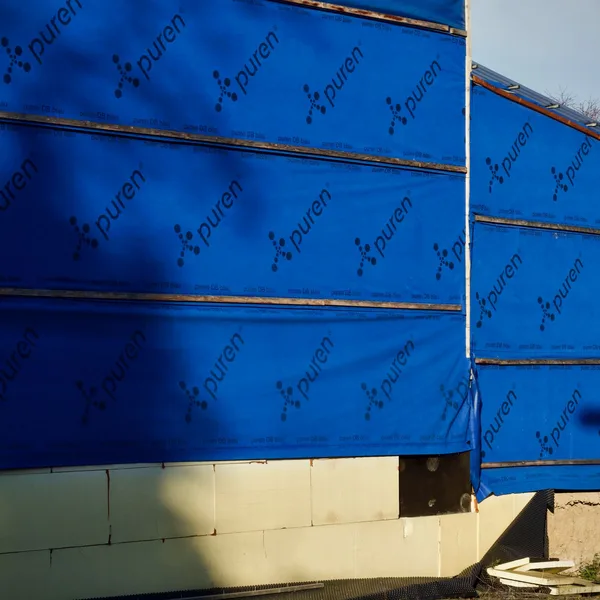
A heavy-duty 20-mil liner across the crawl space floor and up the walls, sealed at every seam.
Learn more →Half the air in a Lebanon home comes up from the crawl space, and when that space is damp, the whole house feels it: musty smells, cold floors, high energy bills and mold on the joists. Cedar City Crawl Pros connects Lebanon homeowners with local crawl space technicians who inspect, seal, dry and protect the space under the house, in that order, and quote the work in writing before it starts.

Call +1 (844) 468-2611 and describe what the space is doing.
A technician measures the moisture and photographs the space.
The written scope prices the job line by line, and you decide.
Lebanon is the Cedar City, the county seat of Wilson County, named for the biblical cedars of Lebanon and incorporated in 1801, and its homes have been fighting the same three enemies ever since: humidity, clay soil and old foundations. Middle Tennessee humidity runs high through the summer, the clay-rich soil under most Lebanon homes holds water against the foundation and swells when wet, and the freeze-thaw cycles of a Tennessee winter move that soil against the walls year after year.
A crew that treats every Lebanon crawl space like the same job will miss the sump pump, the drainage and the joist rot that decide whether the house stays dry. The work here follows a fixed order, because crawl space encapsulation is a sequence, not a single step. First, inspect: measure the moisture in joists, subfloor and soil, photograph what is found, and agree the scope in writing. Second, seal: lay a heavy-duty vapor barrier across the floor and up the walls, close the foundation vents and air-seal every gap. Third, dry: install a dehumidifier sized to the space and hold the humidity below 55 percent. Fourth, protect: insulate the walls, fix the drainage and the sump pump, and repair any structural damage, so the next humid summer is a test the house can pass rather than a repeat of the same call.
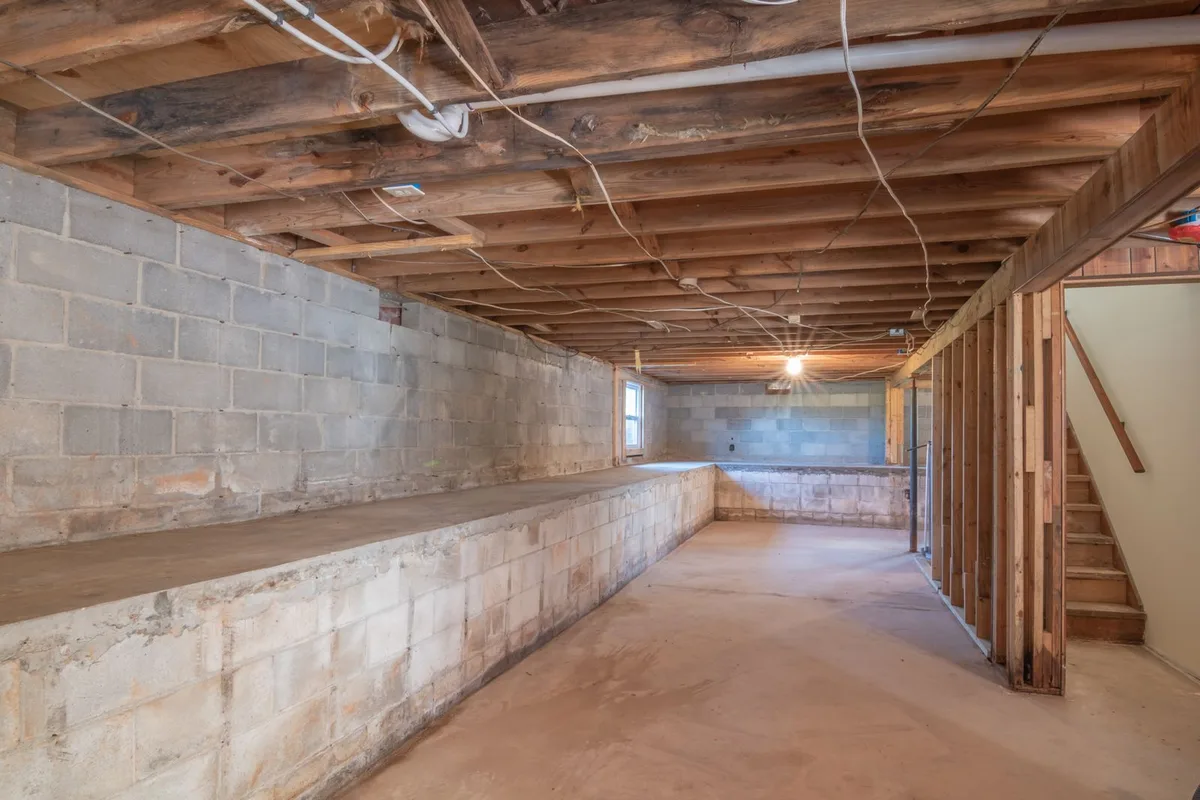
Ten services cover nearly every problem found under a Lebanon home, from a torn vapor barrier to a sagging floor. Each card below links to the full service page with signs, steps and costs.
A heavy-duty 20-mil liner across the crawl space floor and up the walls, sealed at every seam.
Learn more →
A commercial crawl space dehumidifier sized to the space, draining itself and holding humidity below 55 percent.
Learn more →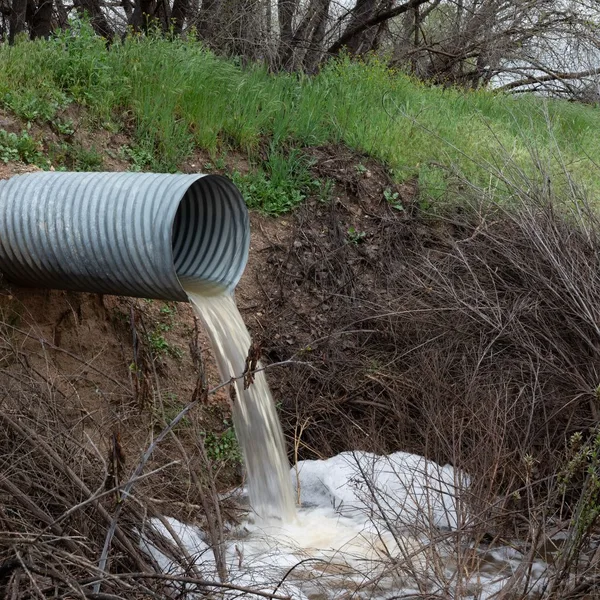
Interior drains, grading fixes and sump pump tie-ins that keep groundwater out of the crawl space for good.
Learn more →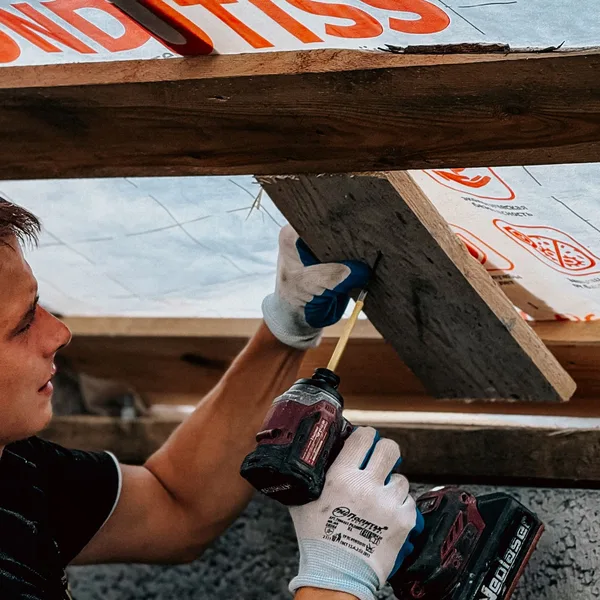
Rigid foam on the foundation walls and sealed rim joists, replacing the sagging fiberglass batts.
Learn more →
Mold on joists and subfloor removed under containment, with the moisture source fixed first.
Learn more →
Rotted joists, sills and piers repaired or replaced, and sagging floors lifted back to level.
Learn more →
Foundation vents closed and sealed, and every gap air-sealed, turning a vented crawl space into a dry one.
Learn more →
A sump pump set in the lowest point of the crawl space, tested under load, with a battery backup option.
Learn more →
A full crawl space inspection with moisture readings, photos and a written scope before any work is priced.
Learn more →
Old insulation, fallen debris and abandoned material hauled out, leaving a clean space ready to seal.
Learn more →Calls are answered for addresses across Lebanon in ZIP codes 37071, 37087, 37088, 37090 and 37136. Nine areas account for most calls, each with its own housing, its own ground conditions and its own page below. Streets outside the nine named areas are covered too, anywhere inside those ZIP codes.
 Downtown LebanonLebanon, TN 37087Historic pier-and-beam homes
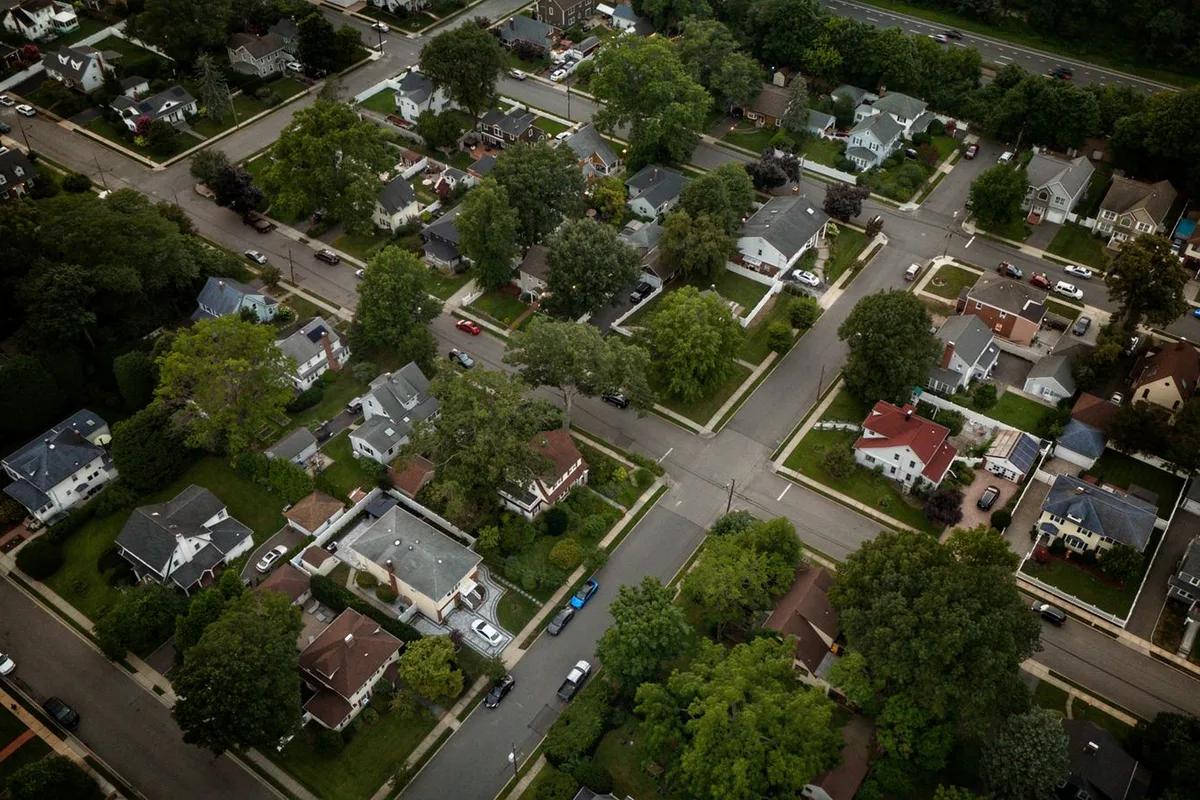 Five OaksLebanon, TN 37087Golf-course community
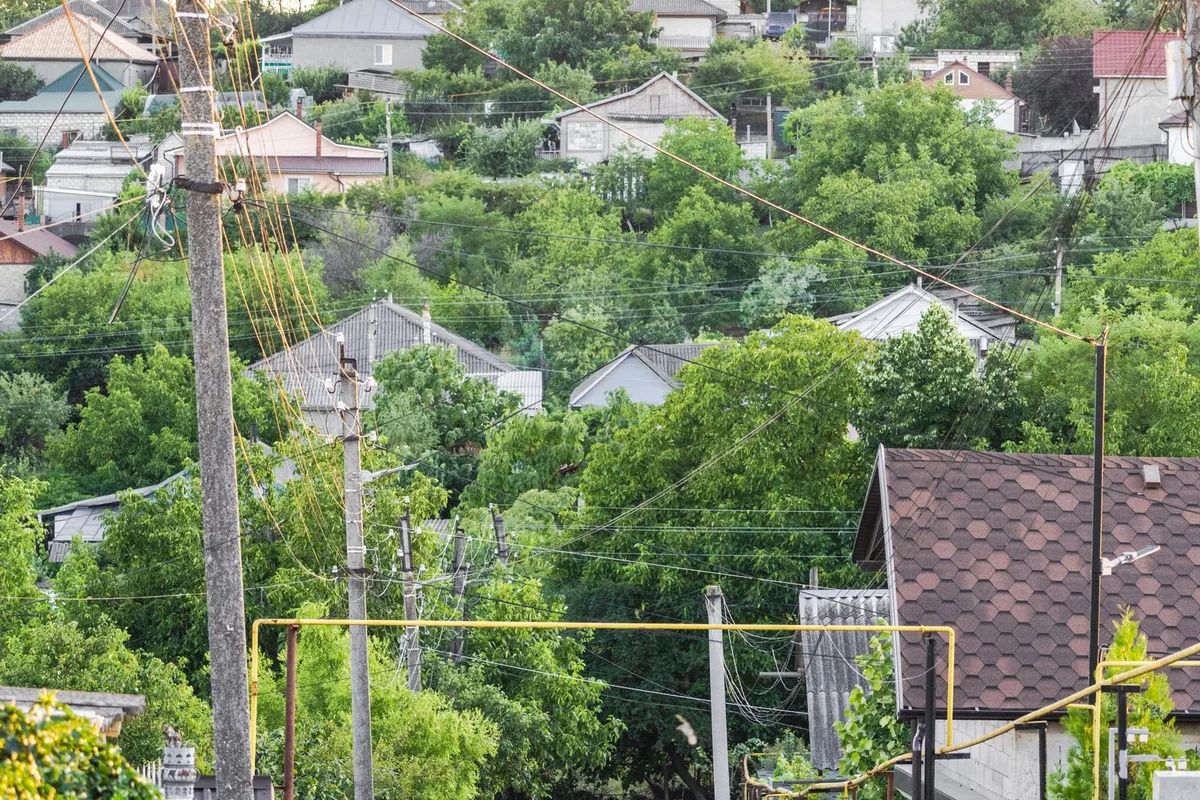 StoneBridgeLebanon, TN 37090Newer builds, east side
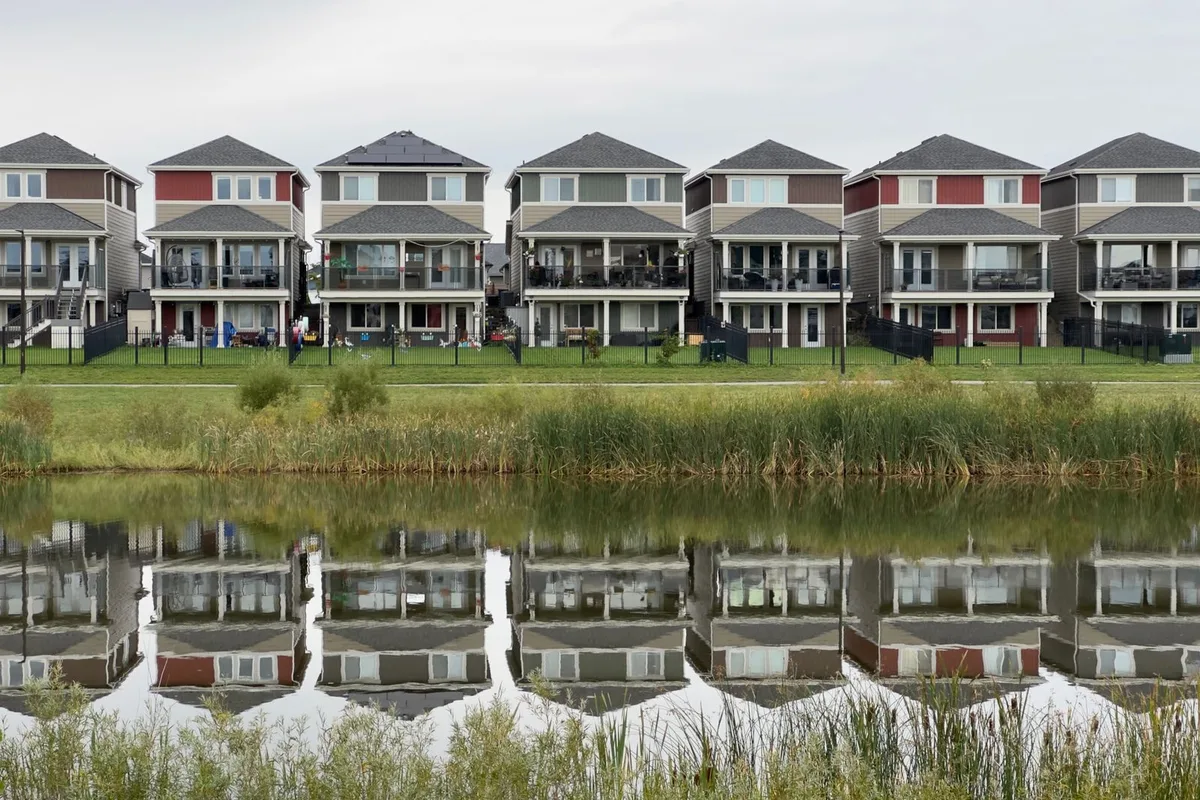 Spence CreekLebanon, TN 370871,000 homes off Highway 109
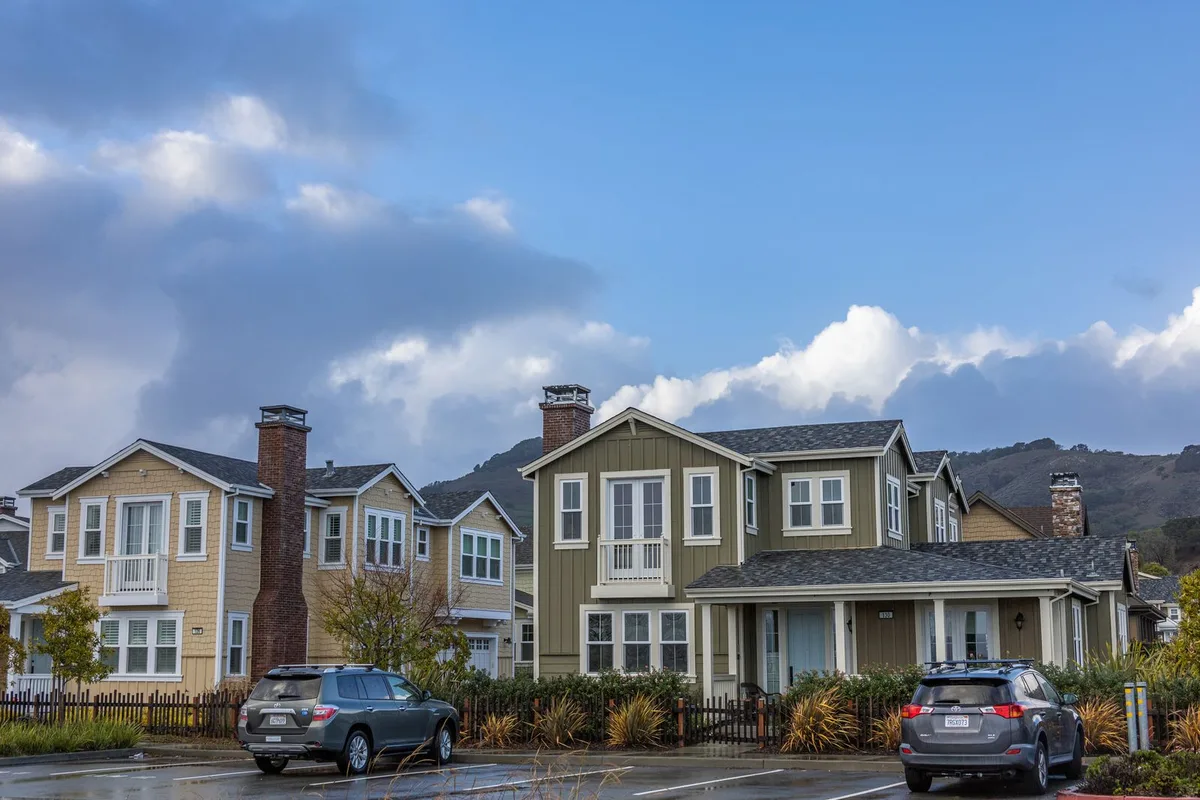 River OaksLebanon, TN 37090New community, two streams
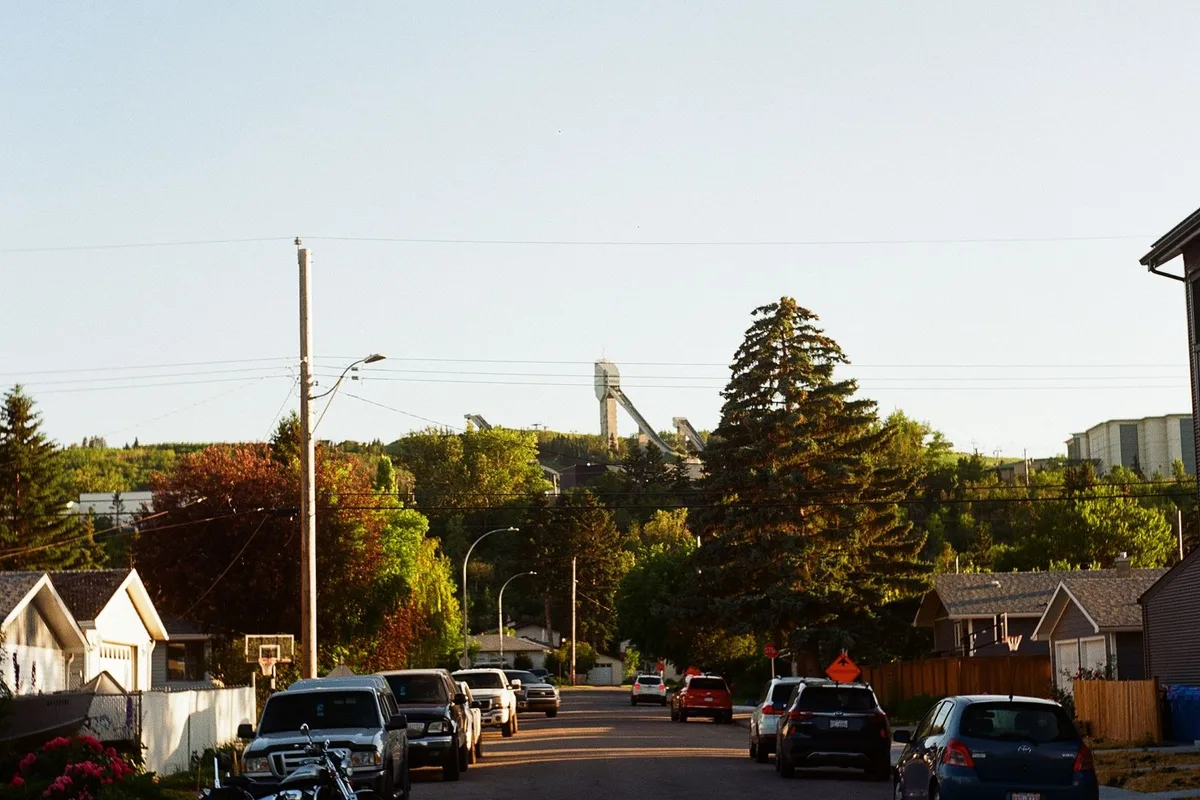 South HartmannLebanon, TN 37090Corridor from I-40 south
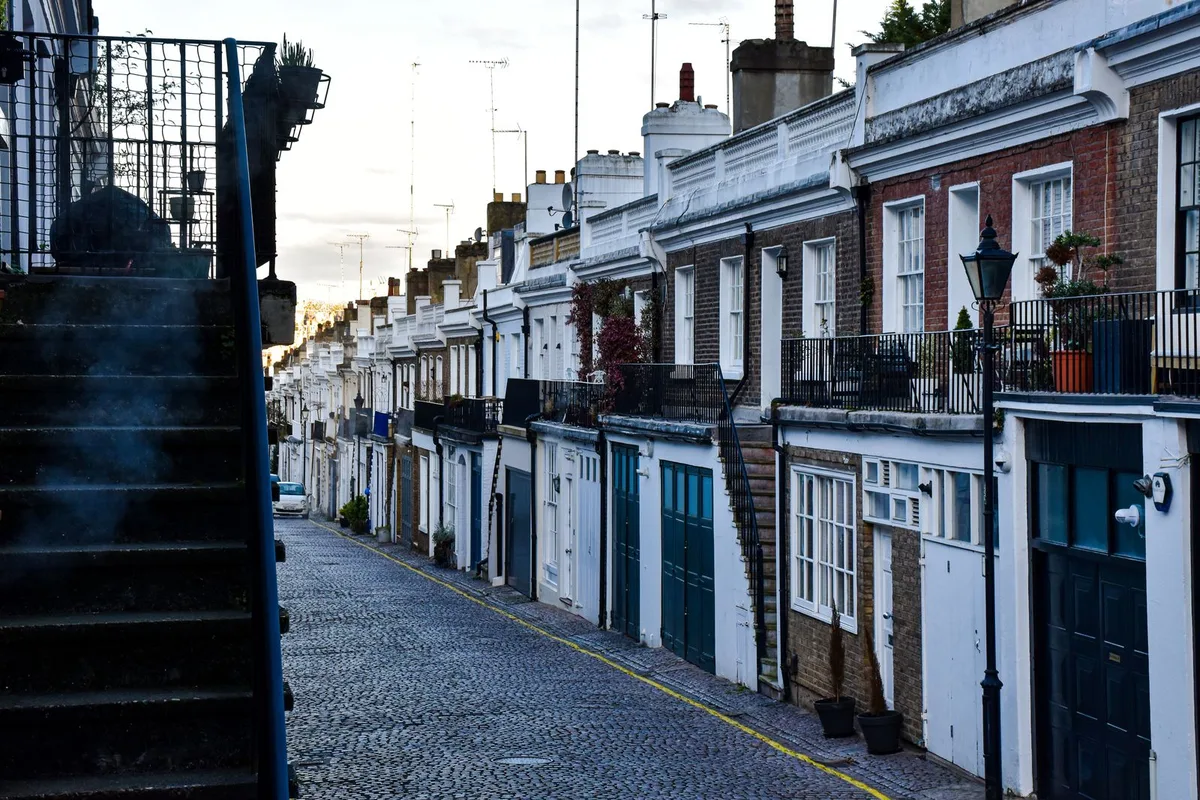 Hamilton SpringsLebanon, TN 37087Townhomes by the rail station
 South MapleLebanon, TN 37087Historic, tree-lined street
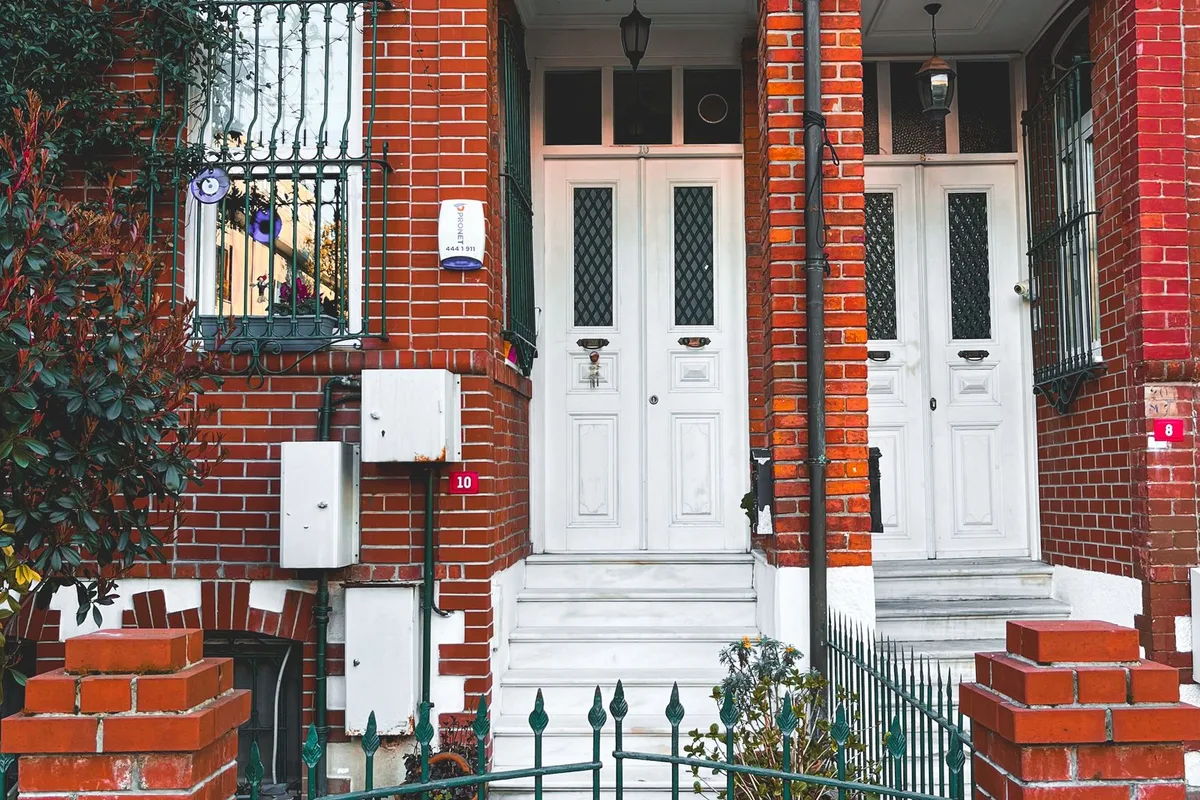 Hartmann PlantationLebanon, TN 37090Luxury townhomes, indoor pool
Encapsulation work runs in three phases, and each phase has its own job to do. The phases below are how every call is handled, planned or emergency.
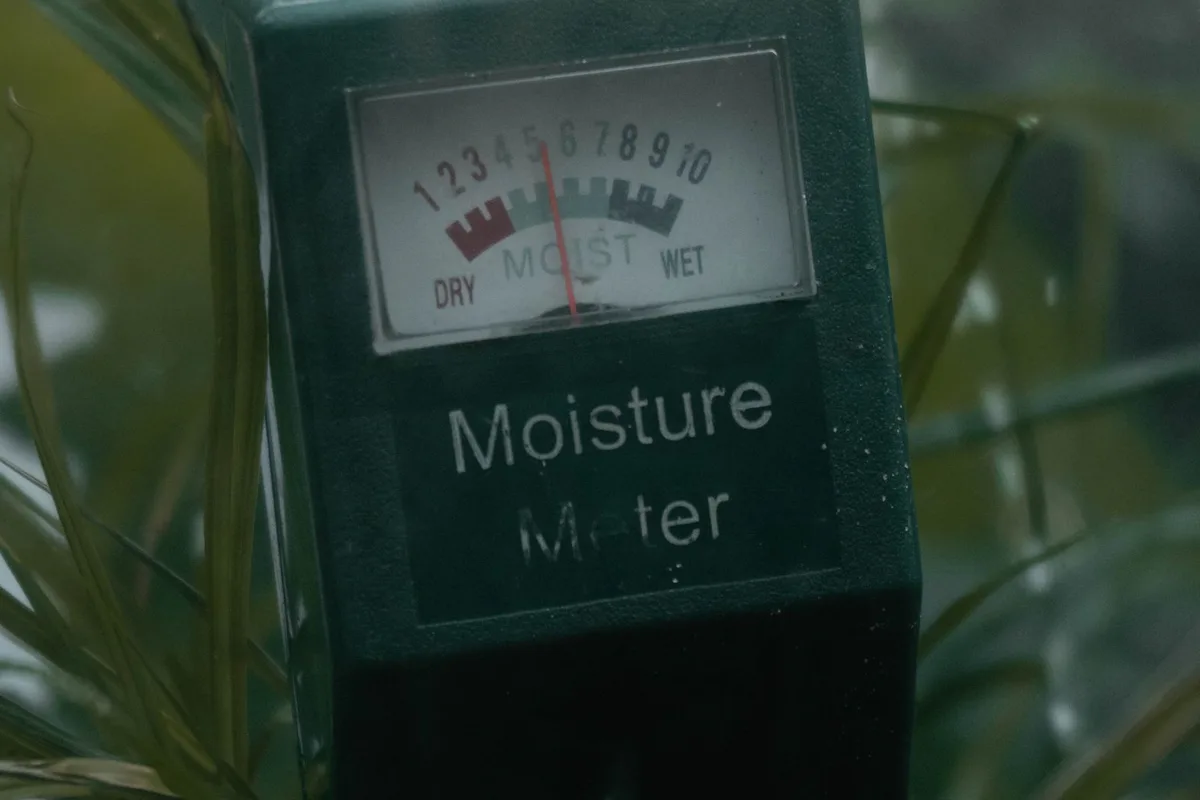
A technician enters the crawl space with a moisture meter, measures the joists, subfloor, soil and air, photographs what is found and leaves a written scope. The inspection is the quote: the readings say what the space needs and what it does not.
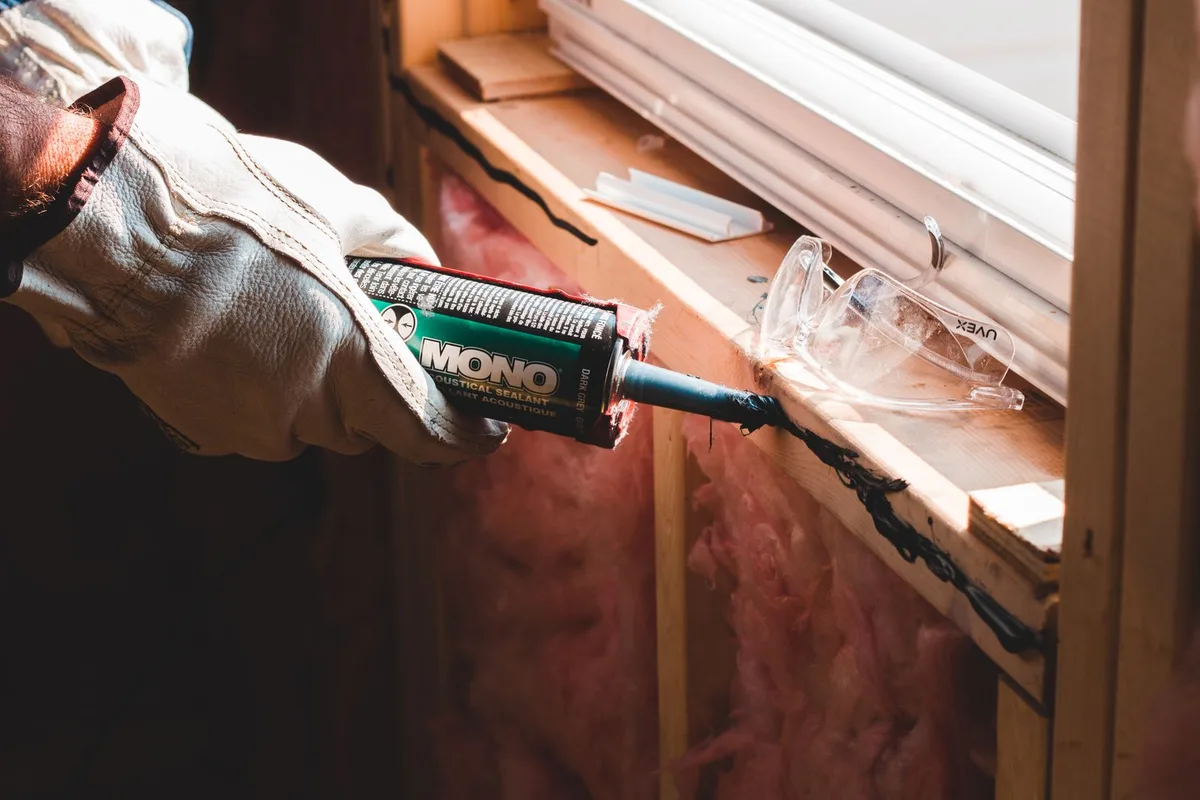
The water is handled first, with grading, an interior drain and a sump pump where the space takes water. Then the liner goes down across the floor and up the walls, the vents are closed and sealed, and every gap is air-sealed.
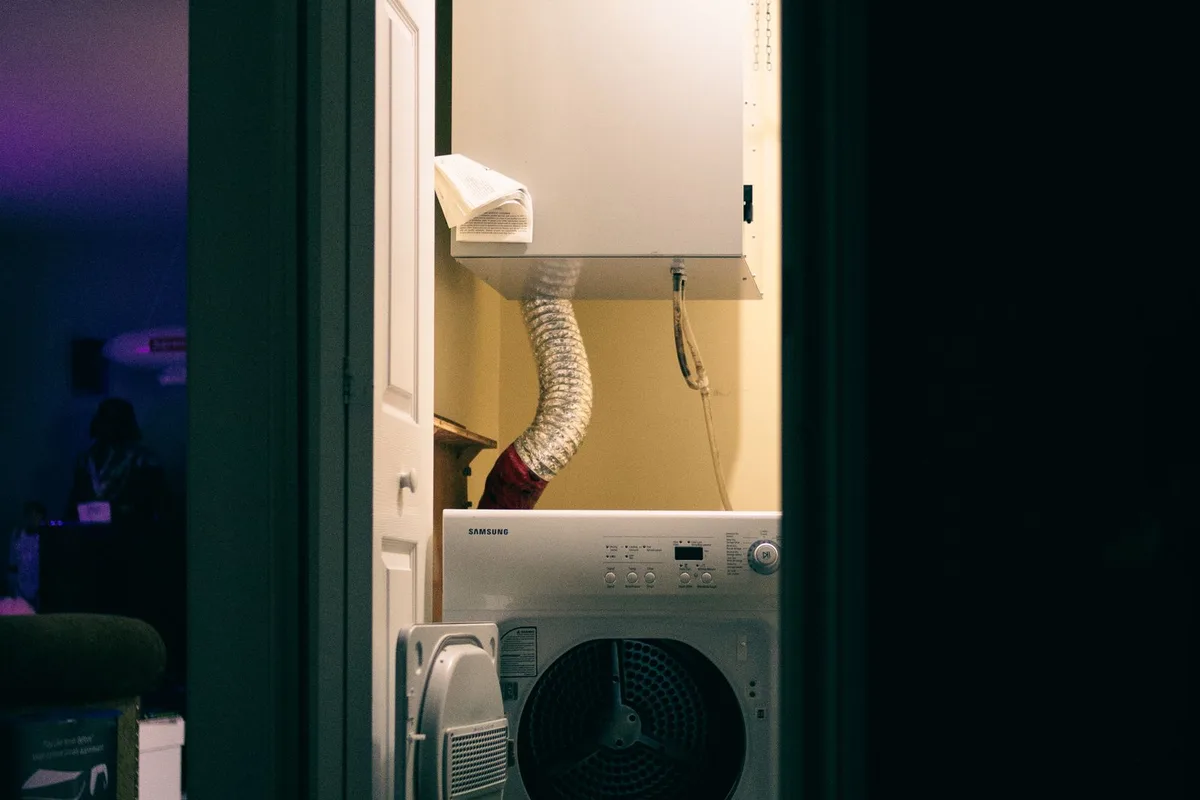
A dehumidifier sized to the space holds the humidity below 55 percent, rigid foam goes on the foundation walls, and any structural damage is repaired. The readings are taken again and logged, so the change is a number, not a feeling.
Prices depend on the size of the crawl space, its condition, the drainage and sump pump needed, the dehumidifier size and the structural condition of the joists and piers; the technician confirms the exact figure in writing at your door. The ranges below are the typical Lebanon numbers for the jobs called about most.
| Job | Typical Range |
|---|---|
| Vapor barrier installation | $1,500 - $4,000 |
| Dehumidifier installation | $1,200 - $2,500 |
| Waterproofing and drainage | $2,000 - $6,000 |
| Mold removal | $1,500 - $5,000 |
| Full encapsulation | $4,000 - $15,000 |
Crawl space work rewards patience and punishes shortcuts. A liner laid over wet soil hides the water instead of stopping it, a dehumidifier too small for the space runs all day and dries nothing, and mold cleaned without fixing the moisture comes back with the next humid summer. The technicians reached through this site measure first: moisture readings in the joists and subfloor, a humidity reading for the space, and a written scope that separates inspection, sealing, drying and protection so you can see exactly what you are approving.
The second reason is the paperwork. A crawl space job that is not documented properly is a job that cannot be verified later, and a home sale, an insurance question or a warranty claim all run on records. Every job through this site is documented from the first visit with photos, moisture readings and a written scope, so the file is built while the work happens instead of reconstructed later. Call +1 (844) 468-2611 and the visit starts with measuring, not guessing.
The third reason is that the work is priced before it starts, not after it is finished. The written scope lists the liner by the square foot, the drainage and the pump as their own line, the dehumidifier by its size, and the structural work by the member, so a homeowner can compare the quote with another one line by line. There is no single bottom-line number with no breakdown, and no surprise on the invoice, because the number agreed at the door is the number that stands.
It depends on five factors found before work starts: the size of the crawl space, its condition, the drainage and sump pump needed, the dehumidifier size, and the structural condition of the joists and piers. A quote that lists those separately can be compared honestly with another. The cost guide explains each factor in full, so a Lebanon homeowner can judge a quote on what it includes rather than on its bottom line alone.
Three local factors work together: Middle Tennessee humidity runs high through the summer, the clay-rich soil under most Lebanon homes holds water against the foundation and swells when wet, and foundation vents pull warm, humid air into a cool crawl space, where it condenses on the joists. A vented crawl space in July is an open door for the very moisture that feeds mold and wood rot.
Yes. The work happens under the house, not in the living space, and a crew can seal a crawl space while the family carries on upstairs. The only disruption is the sound of the work itself and the dehumidifier running, and the job is usually finished in a few days, depending on the size of the space and the preparation needed.
In most cases, yes, because the smell comes from mold growing on damp wood under the floor, and the air in a house moves upward from the crawl space. Sealing the space, removing the mold and holding the humidity below 55 percent removes the source of the smell, and the air inside the house clears within weeks of the job being finished.
Damp crawl space, musty smell, cold floors or mold on the joists? Call +1 (844) 468-2611. A Lebanon technician will measure the moisture, quote the encapsulation in writing and start the drying before the next humid summer does more damage.