
Crawl Space Waterproofing and Drainage in Lebanon, TN
Water that enters a crawl space has to be given somewhere to go. Interior drainage, a sump pump and grading that runs water away from the foundation are the system that keeps the space dry through a wet spring.
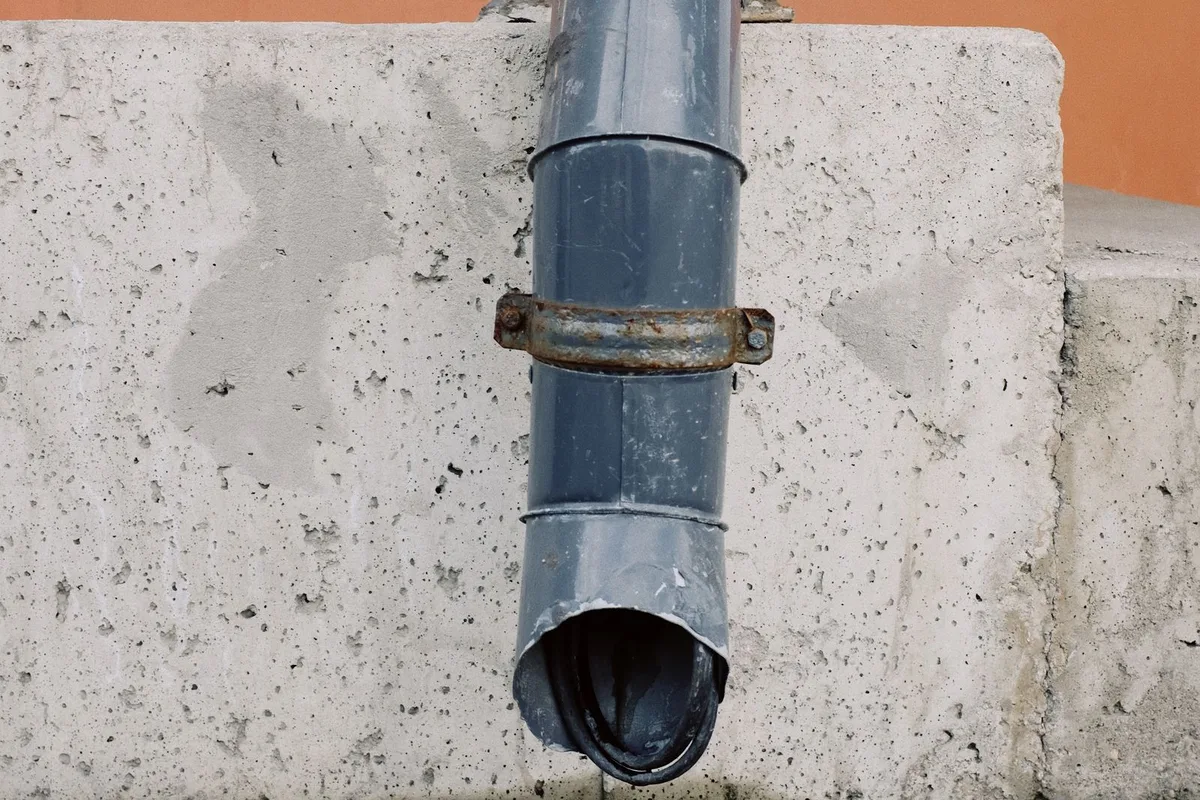
Lebanon crawl spaces take water from two directions: groundwater pushing up through the clay soil after days of rain, and surface water running down against the foundation from gutters, grading and the lot itself. The clay under most homes here holds water like a bowl, and a crawl space that looks dry in August can take inches of water in a wet spring. Sealing a liner over that water hides it; the water has to be controlled first.
Waterproofing and drainage through Cedar City Crawl Pros starts outside, where the grading and the downspouts are checked, then moves inside to an interior drain run along the foundation footings, tied to a sump pump that discharges well away from the house. The drain is laid in gravel, the pump is tested under load, and the discharge line is checked for freeze risk. Once the space stays dry through a rain, the vapor barrier and the dehumidifier follow as the sealing steps.
Cedar City Crawl Pros takes calls across Lebanon, Tennessee, in ZIP codes 37071, 37087, 37088, 37090 and 37136, from downtown and the Public Square to Five Oaks, StoneBridge and Spence Creek. The technicians are local, the moisture is measured with meters, and every job is quoted in writing before work begins.
Signs Your Crawl Space Needs Waterproofing
- ✓ Standing water or puddles on the crawl space floor
- ✓ Water lines on the foundation walls showing how high it rose
- ✓ Efflorescence, the white mineral crust, on foundation walls
- ✓ A sump pump that runs constantly or not at all
- ✓ Soil under the house that stays wet days after rain
Interior Drain, Exterior Drain, or Both?
An interior drain with a sump pump suits most Lebanon homes: it catches the water that reaches the footings and pumps it out, without digging up the yard. An exterior drain is the answer where the foundation wall itself leaks, usually on a low side of the lot. Many jobs need both, and the inspection decides from the readings and the water lines on the walls, not from a rule.
How the Work Runs
- Find the entry point. Water lines, grading and downspouts show where the water comes in.
- Fix the outside first. Grading is corrected and downspouts are extended away from the house.
- Lay the interior drain. A gravel-bedded drain runs along the footings to the sump pit.
- Set and test the pump. The sump pump is installed and tested under load, with a discharge line.
- Prove it dry. The space is checked after rain before the liner goes down.
What to Expect on the Visit
Every visit follows the same order. The technician enters the crawl space with a moisture meter, measures the joists, subfloor and soil, photographs what is found, and shows you the readings. The humidity of the space is recorded, because a number decides the dehumidifier size. The written scope separates inspection, sealing, drying and protection so you can see exactly what you are approving.
When the work is done, the readings are taken again and logged. The dehumidifier is set and its drain is checked, the vents are confirmed sealed, and the liner is walked to check every seam. You get the moisture readings and the photos for your records, and the space is left dry, sealed and ready for the next humid summer.
What Waterproofing and Drainage Costs in Lebanon
Crawl space waterproofing and drainage in Lebanon typically runs $2,000 to $6,000 depending on the length of the drain run, the pump and whether exterior work is needed. Grading and downspout fixes are the low end; a full interior drain with a new sump pump is the high end. The written scope prices each part separately.
Keeping the Drainage Working
Test the sump pump twice a year by pouring water into the pit until it kicks on, and keep a battery backup if the house has taken water before. Keep gutters clean and downspouts discharging at least six feet from the foundation, and re-check the grading after any landscaping work. A pump that works on a dry day and fails on the night of the storm is the one that costs a floor.
Frequently Asked Questions
Why does my crawl space flood only in spring?
Spring brings the two things clay soil cannot handle at once: steady rain and a rising water table. The ground saturates, the water pushes up through the floor and in through the footing joints, and a space that was dry all winter takes water. Drainage and a sump pump are built for exactly that season.
Do I need a battery backup for my sump pump?
If the crawl space has taken water before, yes. Storms that bring the water often take the power with it, and a pump without power is a decoration. A battery backup is the cheapest insurance a low crawl space has.
Will waterproofing stop the musty smell too?
It stops the water, which is the cause of the smell, but the smell itself clears only once the space is dried and the mold is dealt with. Waterproofing is the first step; the liner, the dehumidifier and the mold removal are the steps that finish the job.
Questions about this service, or a crawl space doing something else entirely? Call +1 (844) 468-2611. A Lebanon technician will walk through what the space needs and what it will take.