
Sump Pump Installation in Lebanon, TN
A crawl space that takes water needs a pump that works on the night the storm arrives, not just on a dry day. The pump sits in the lowest point, discharges well away from the house, and is tested before the crew leaves.
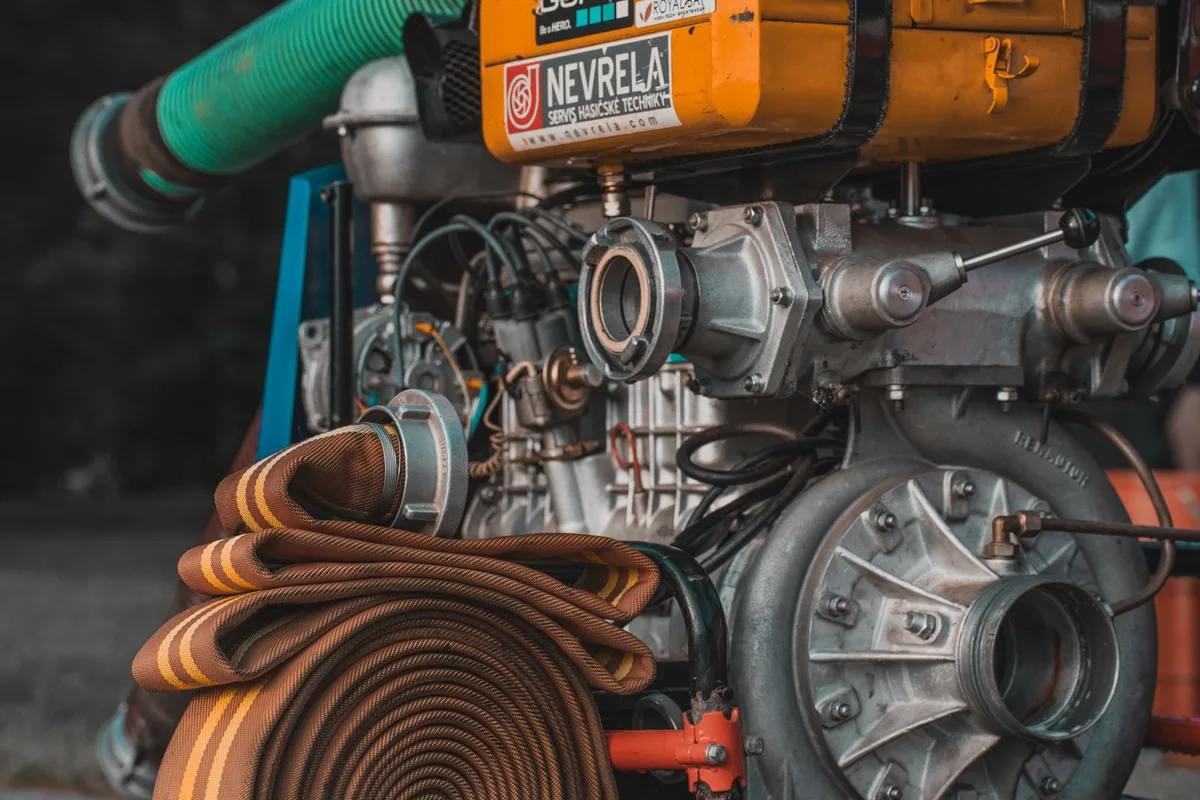
A sump pump is the last line of defence for a Lebanon crawl space: when the rain is heavy and the clay soil is saturated, the water that reaches the footings has to go somewhere, and the pump is what moves it out. The failures are always the same story, a pump that was never tested, a discharge line that froze or clogged, or a storm that took the power and the pump with it. A crawl space that floods once will flood again, and the pump is the difference between a wet night and a ruined floor.
Sump pump installation through Cedar City Crawl Pros sets the pump in a pit at the lowest point of the crawl space, tied to the interior drain run where one exists, with the discharge line run well away from the foundation and protected against freezing. The pump is tested under load before the crew leaves, and a battery backup is offered where the house has taken water before. The pump is the partner of the waterproofing and drainage service, and the vapor barrier follows once the space stays dry.
Cedar City Crawl Pros takes calls across Lebanon, Tennessee, in ZIP codes 37071, 37087, 37088, 37090 and 37136, from downtown and the Public Square to Five Oaks, StoneBridge and Spence Creek. The technicians are local, the moisture is measured with meters, and every job is quoted in writing before work begins.
Signs Your Crawl Space Needs a Sump Pump
- ✓ Standing water in the crawl space after heavy rain
- ✓ A sump pit with no pump, or a pump that never runs
- ✓ Water lines on the foundation walls
- ✓ Soil that stays wet for days after a storm
- ✓ A previous flood that was cleaned but never fixed
One Pump, or a Pump Plus a Backup?
One pump suits a space that takes water rarely and where the power is reliable. A battery backup suits a space that has flooded before, because the storms that bring the water often take the power too. The visit will ask whether the house has flooded and whether the power has gone out in a storm, and the written scope will say plainly which setup the house needs.
How the Work Runs
- Find the low point. The pit goes where the water collects, not where it is convenient.
- Dig and set the pit. A lined pit is set and the drain run is tied in.
- Install the pump. The pump is set, the float is adjusted and the discharge is run out.
- Test under load. Water is poured in until the pump kicks on and clears the pit.
- Add the backup. Where the house needs it, a battery backup is fitted and tested.
What to Expect on the Visit
Every visit follows the same order. The technician enters the crawl space with a moisture meter, measures the joists, subfloor and soil, photographs what is found, and shows you the readings. The humidity of the space is recorded, because a number decides the dehumidifier size. The written scope separates inspection, sealing, drying and protection so you can see exactly what you are approving.
When the work is done, the readings are taken again and logged. The dehumidifier is set and its drain is checked, the vents are confirmed sealed, and the liner is walked to check every seam. You get the moisture readings and the photos for your records, and the space is left dry, sealed and ready for the next humid summer.
What Sump Pump Installation Costs in Lebanon
Sump pump installation in Lebanon typically runs $1,000 to $2,500 depending on the pit, the drain tie-in and whether a battery backup is fitted. A replacement pump in an existing pit is the low end; a new pit with a drain run and a backup is the high end.
Keeping the Pump Ready
Test the pump twice a year by pouring water into the pit until it kicks on, and test the battery backup by cutting the power. Keep the discharge line clear and its outlet away from the foundation, and check it after any landscaping work. A pump that works on a dry day and fails on the night of the storm is the one that costs a floor.
Frequently Asked Questions
How often should a sump pump be tested?
Twice a year, in spring before the wet season and in fall. Pour water into the pit until the float lifts and the pump runs, and check that the discharge carries the water well away from the house. A ten-minute test twice a year is the whole maintenance plan.
What happens if the power goes out during a storm?
The pump stops, unless it has a battery backup. That is the usual failure in a Lebanon storm: the rain that brings the water takes the power with it. A battery backup keeps the pump running through an outage, and it is worth fitting where the house has taken water before.
Where should the discharge water go?
Well away from the foundation, at least ten feet, and downhill from the house, so it does not run back into the crawl space. A discharge that ends beside the foundation is a pump working against itself.
Questions about this service, or a crawl space doing something else entirely? Call +1 (844) 468-2611. A Lebanon technician will walk through what the space needs and what it will take.